

Abortion
What is Abortion?
Abortion is the deliberate termination of a pregnancy before it has reached the stage of viability. There are many reasons a pregnant person may need an abortion, and abortion practices date back thousands of years in many cultures. There are also various methods of abortion, ranging from almost completely safe to extremely dangerous. Additionally, there are multiple differing opinions on abortion and its legality varies widely throughout the world and even within the United States.

Why do people get abortions?
There are so many reasons that somebody might need an abortion that it is impossible to list them all, but here are some broad categories.
.png)
Medical Necessity
Abortion is a medical treatment for many life-threatening or extremely dangerous health conditions. For example, when a person experiences a miscarriage, an abortion treatment is often necessary to ensure that no fetal material remains in the uterus. Failure to remove all material can lead to life-threatening infections.
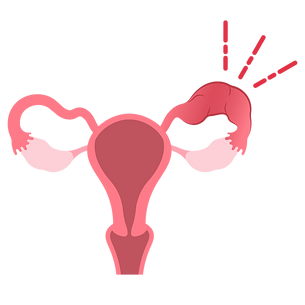
Another example of medical necessity is ectopic pregnancy. In an ectopic pregnancy, the embryo erroneously embeds itself into the wall of a fallopian tube instead of the lining of the uterus. Ectopic pregnancies are not viable; they cannot be saved. If not aborted, the embryo will begin to develop within the fallopian tube. When it outgrows the tube (which is generally less than 5mm in diameter), the tube will burst, leading to an immediate miscarriage of the embryo as well as potential death of the mother from internal bleeding.
There are many other conditions that can occur during pregnancy which may threaten the life or health of a fetus, a mother, or both, that necessitate abortion.
Some people who become pregnant are unable to carry a pregnancy to term and/or to care for a child. There are a myriad of reasons that might create this circumstance; they are still a child themselves, they do not have the financial means, they live in unsafe conditions (such as domestic violence situations), they lack access to healthcare for either themselves, the pregnancy, or a future child, they do not have adequate family support, they are homeless, they have disabling health issues; the list is endless.
Pregnancy is a taxing and risky pursuit that takes a toll on every area of a person’s life; their physical health, mental health, ability to provide for themselves, career options and opportunities, and more. Being forced to continue a pregnancy that one is not ready for can have an extremely detrimental effect on the life of that person, as well as the resulting child.
Inability to Care for a Child
.png)
Unfortunately, sexual assault and gender-based violence are still rife in our society. People who experience pregnancies as the result of rape may often want to seek an abortion.
Trauma
How do Abortions work?
There are two types of abortion: in-clinic abortion and the abortion pill. Both are safe and very common. These two videos from Planned Parenthood provide an overview of both:
Access to Abortion
Some states have recently banned abortion or created lots of restrictions, which means it’s hard or illegal to get care in those states. But abortion is still legal in many states, and it’s legal to travel to another state to get an abortion.
When you’re looking for a place to get an abortion, beware of “crisis pregnancy centers.” These are places that seem like normal medical centers, but they don't provide abortion or a full range of health care — they're actually run by people who want to scare or shame people out of getting an abortion. They often give you false or misleading information about pregnancy, abortion, and birth control, and they usually don't have to follow privacy laws. Your local Planned Parenthood health center or AbortionFinder.org can help you find a trustworthy abortion provider in your area.
In most states, you can get an in-clinic abortion at many Planned Parenthood health centers, from private doctors or gynecologists, family planning clinics, and abortion clinics. Even if your local Planned Parenthood health center doesn't provide abortion services, you can call for more information about where to get an abortion. You can also visit AbortionFinder.org. Depending on where you live, there may be restrictions if you’re 17 years old or younger, or waiting periods to get an abortion. It may be harder to find a health care provider who will do an abortion after the 12th week of pregnancy, so it’s best to try to have your abortion as soon as possible.
.png)
The State of Abortion in the US


Research

Eugene Declercq, Ruby Barnard-Mayers, Laurie C. Zephyrin, Kay Johnson, December 14, 2022
This report by the research foundation Commonwealth Fund found that rates of mothers and newborn babies dying during pregnancy, at birth or postpartum are much higher in states that currently ban or restrict abortions than in states preserving access. .It also found that states that have restricted access to abortion services had maternal death rates in 2020 that were 62% higher than in states preserving access to abortion services. Additionally, between 2018 and 2020, the maternal death rate increased twice as fast in states that now have abortion restrictions.

A National Survey of OBGYNs’ Experiences After Dobbs
Brittni Frederiksen, Usha Ranji, Ivette Gomez, and Alina Salganicoff, Published online Jun 21, 2023
This nationally representative survey of office-based OBGYNs practicing in the United States examines the provision of sexual and reproductive health care provided by OBGYNs before and after the Dobbs decision, comparing the experiences of OBGYNs practicing in states where abortion is fully banned, states with gestational restrictions, and states where abortion remains available under most circumstances. In it, 68% of of OBGYNs say the ruling has worsened their ability to manage pregnancy-related emergencies, 64% believe that the Dobbs decision has worsened pregnancy-related mortality, and 70% believe that it has worsened racial and ethnic inequities in maternal health.

